Garry Oak Meadows: One of Canada’s Rarest Ecosystems, in Full Bloom, Here in North Saanich
Where to see them, and when
by Jillian Buriak
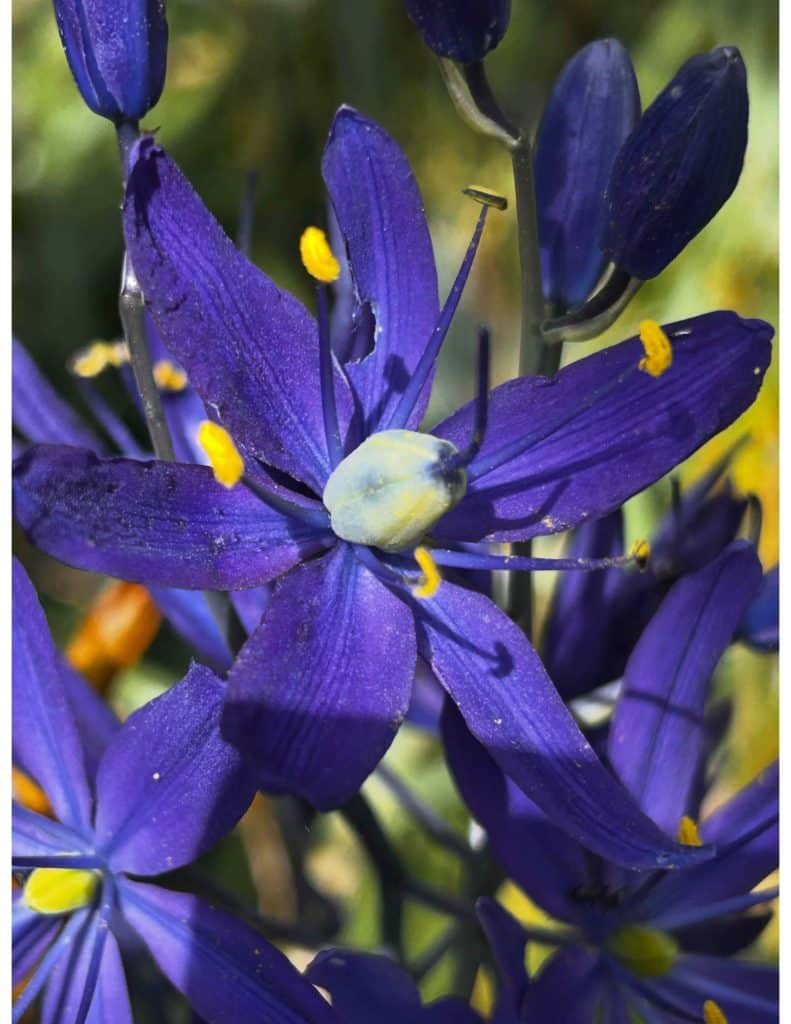
Garry oak (ĆEṈÁȽĆ) ecosystems are biodiversity hot spots, comprising native plants that support over 800 insects (including >250 species of native bees), birds, mammals, reptiles, and amphibians. They are found across much of the territory of the Coast Salish peoples, from Vancouver Island, across the Salish Sea to Washington State. A Garry oak meadow and associated woodland reaches its peak of flowers in the spring, from April to June, before the summer dry period. Visiting at different times during these months will reveal new combinations of blooms and foliage, so it’s worthwhile to stop by occasionally. Here on the Saanich Peninsula, these Garry oak ecosystems were stewarded by W̱SÁNEĆ peoples, who practiced low intensity cultural burning that increased biodiversity and enabled harvesting of food staples such as camas (ḰȽO¸EL) bulbs, as well as medicinally important plants. The names of all the flowers shown here are listed at the end of the article, in order of appearance.
In 1800, there were 1040 hectares of Garry oak meadows in North Saanich, but by 1997, only one hectare remained. A list of the 121 native plants that make up Garry oak ecosystems and their flowering times can be viewed in this useful document, provided by the local Garry Oak Ecosystem Recovery Team (GOERT). The classic representative flowers closely associated with Garry oak meadows include the vivid pink shooting stars, the purple-blue camas lilies, brilliant white yarrow and fool’s onion, small-flowered blue-eyed Mary, sea blush, and oh so many others.
Where can you see a Garry oak meadow in bloom in North Saanich?
Horth Hill Regional Park. Start with the online map of the Horth Hill (link here), and make your way up to the Ridge Trail (in purple). There are two lookouts marked with the binocular icon – those two sites sit in the middle of a south-facing Garry oak meadow. You can also follow the walking route to get here as described in our fall issue, here. You will see Garry oaks and arbutus, but if you tread lightly and look down around the rocky outcrop, you will see the round lime-green leaves of shooting stars, the common camas lily with its long green lily leaves, as well as field chickweed, sea blush, and if you look closely into the mossy areas, the almost iridescent small-flowered blue eyed Mary.
Gulf View Park. This interesting park used to be a favourite lunch stop of motorists driving north from Victoria (it was founded in 1936 as a rest stop and picnic site). Visit in late April to early May to see a remarkable stand of camas lilies. To the best of my knowledge, this is the largest patch of camas in North Saanich.
ȽÁU,WELṈEW̱/John Dean Park Provincial Park. On the map of the park (link here), find and follow the Woodward Trail to the southernmost extent of the park, to where you will see the words ‘Garry Oak Meadow’ – there is indeed a meadow there that it worth visiting, and I have seen flowers in this area that I have not spotted elsewhere on the peninsula, such as tufted saxifrage, and two different species of brilliant yellow monkeyflowers. I would recommend exploring the area from Cy’s Viewpoint on Surveyor’s Trail as well, walking east to the Woodward, and observe the progression of shade-to-part shade-loving fawn lilies, to shooting stars, and then to camas lilies.
Danton Trail. This trail is a short but very interesting CRD path that connects Chalet Road and Rosborough Road in the Deep Cove neighbourhood. If you start from the lower elevation end on Chalet Road (west end of trail), you will pass patches of Western trillium. As you walk higher, you will see the Garry oaks, and in the shady woodland, the fawn lilies appear, followed by shooting stars, and then camas lilies as you reach the flat uppermost area of the trail. This area would have been much more open, but without the maintenance and care of local W̱SÁNEĆ peoples, the Douglas firs grew and closed in around the Garry oak meadow.
YYJ Pollinator Garden on Willingdon Road. This garden is a restoration project in progress, and represents the work of many volunteers, and the partnership of several organizations, including the Victoria Airport Authority, W̱SÁNEĆ Leadership Council, Pollinator Partnership Canada, Satinflower Nurseries, and many others listed on the informative sign at the garden. The airport lands had been a Garry oak meadow and clay prairies before the 1800’s, and is of great importance to W̱SÁNEĆ peoples. An excellent photographic summary of the all-native plants planted is listed in their online brochure and guide (link here). The displays of flowers are remarkable from early April to September.
Tenten Creek, around YYJ airport. As mentioned, the lands surrounding the airport, particularly to the north, the west, and the south, were part of a vast contiguous Garry oak meadow that extended as far as Bazan Bay, the shores of Coles Bay, and north to Chalet Creek. While you won’t see intact Garry oak meadows in the ditches around the airport through which Tenten Creek flows, take a walk along the southern part of the airport loop in late April and May and you might spot small patches of camas lilies, survivors of an earlier era.
I know it doesn’t need to be said, but just in case, please don’t walk on these fragile native plants. They represent the last remaining survivors of much larger meadows that existed before the 1800’s. Picking them will also damage or kill them. I hope you enjoy these Garry oak ecosystems, and if you are considering welcoming some of these incredibly special plants to your own garden, you can purchase them from Satinflower Nurseries in Central Saanich. You can also email me directly – if I have what you are looking for, I would be more than happy to share.
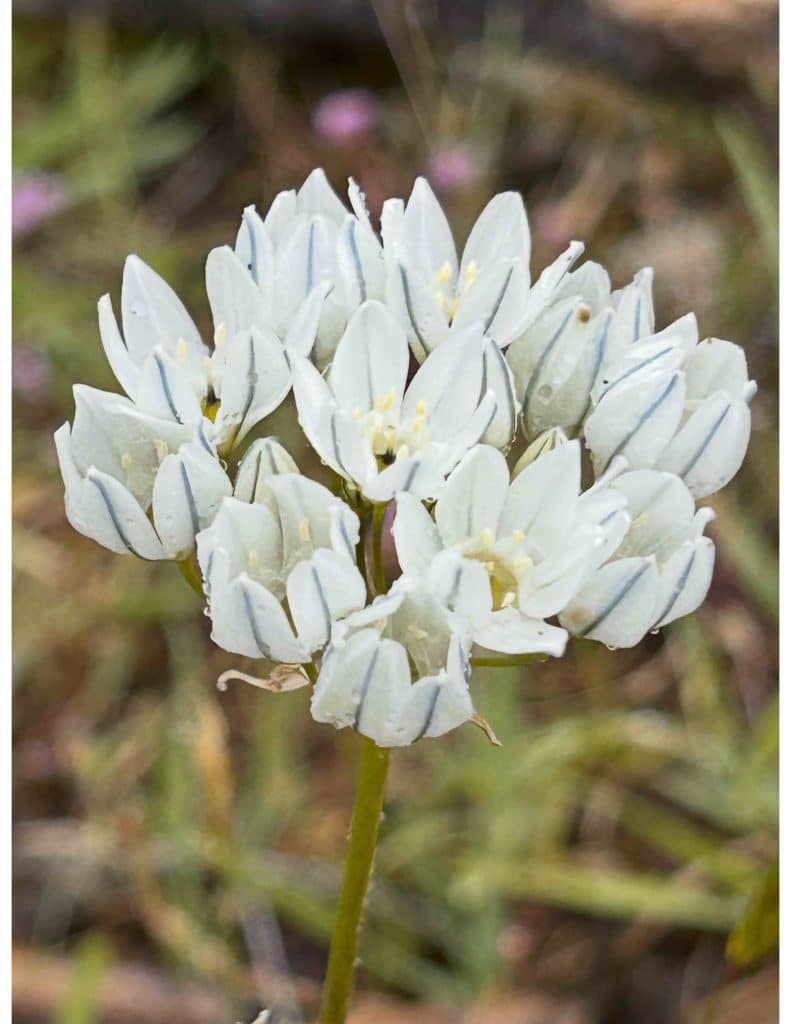
For more information, these two books by local authors are interesting and useful:
Roemer, H.; Sanseverino, M. Native Plants of British Columbia’s Coastal Dry Belt 2025, Harbour Publishing. Link here.
Turner, N. J.; Hebda, R. J. Saanich Ethnobotany – Culturally Important Plants of the W̱SÁNEĆ Peoples 2012 (reprinted in 2014, 2019, 2022), Royal BC Museum. Link here.
Names of native flowers in the photos above, in the order that they appear:
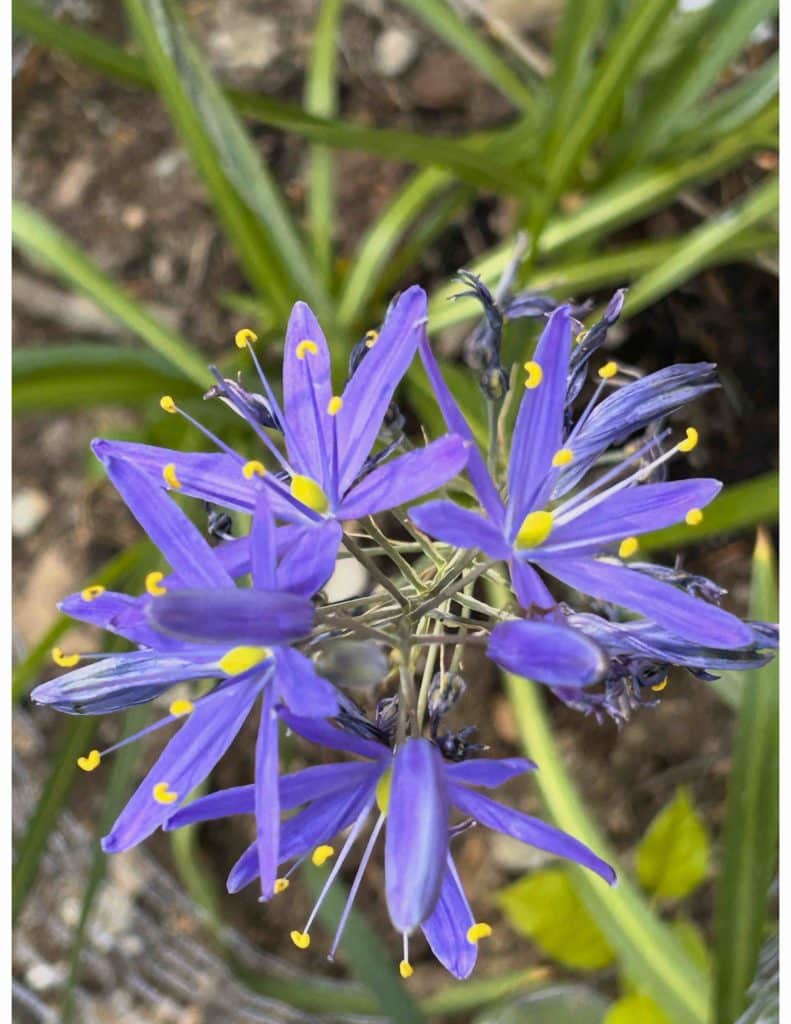
Camas lily (common camas), Camassia quamash spp. maxima, ḰȽO¸EL in SENĆOŦEN. Danton Trail. Blooms April-May.
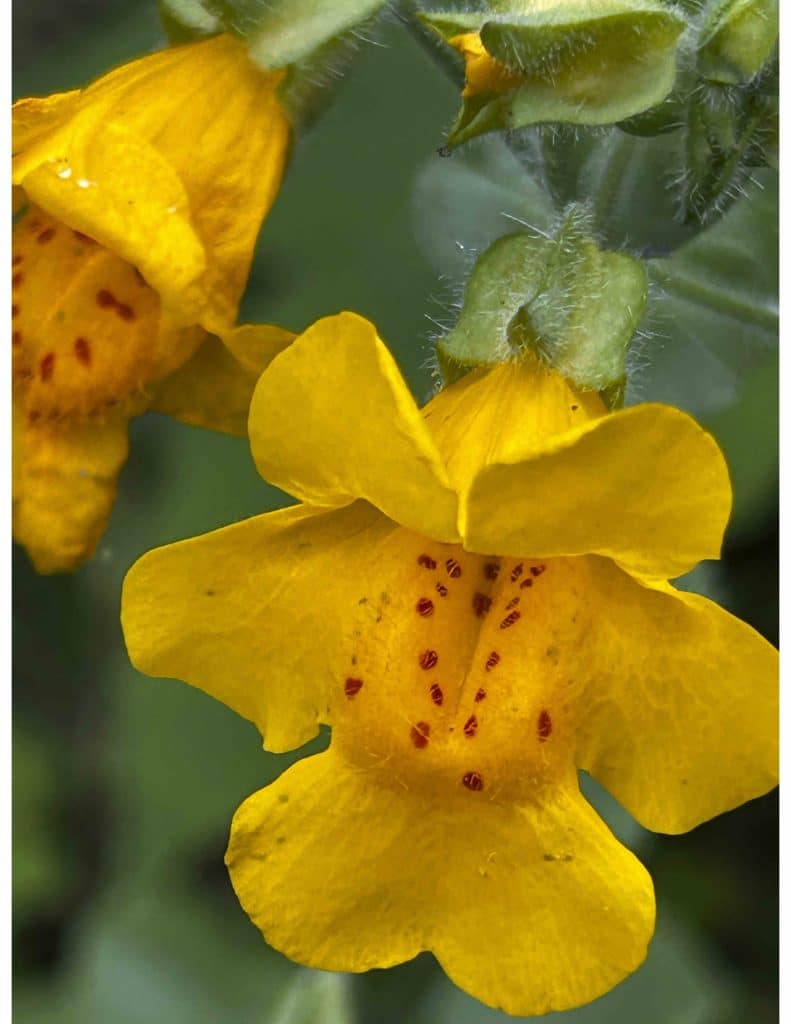
Yellow monkey-flower, Erythranthe guttata. Spotted in ditch along western edge of airport, airport loop. Blooms May – August.
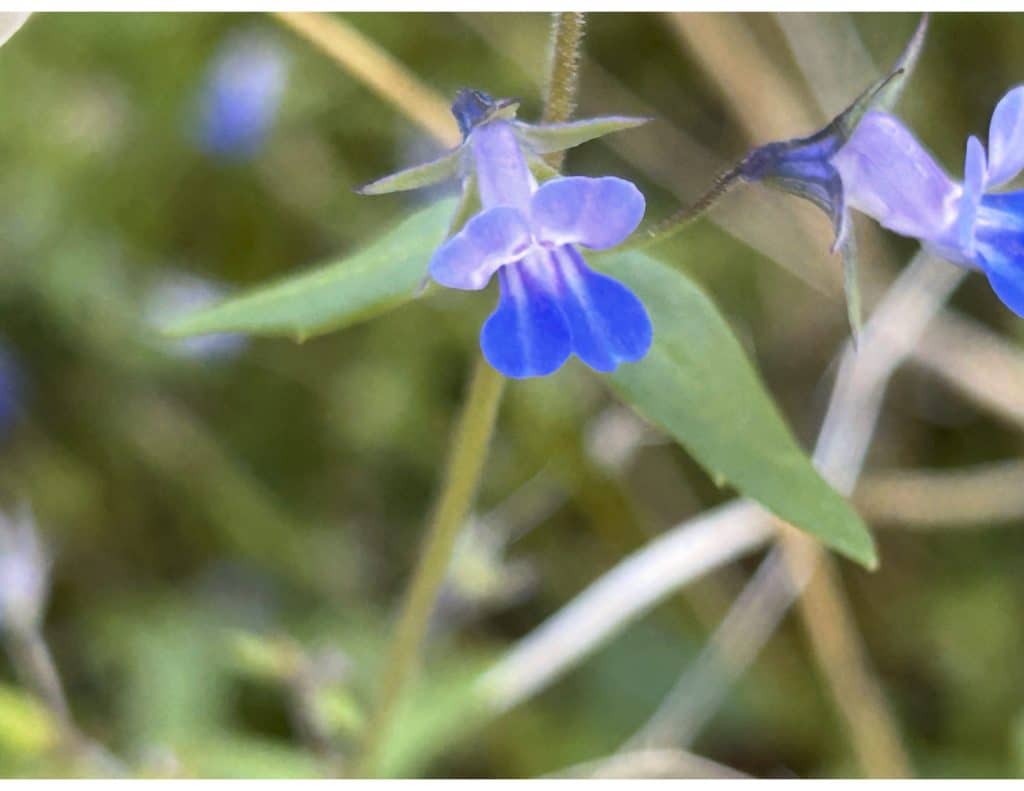
Small-flowered blue-eyed Mary, Collinsia parviflora. Horth Hill. Blooms April-May.
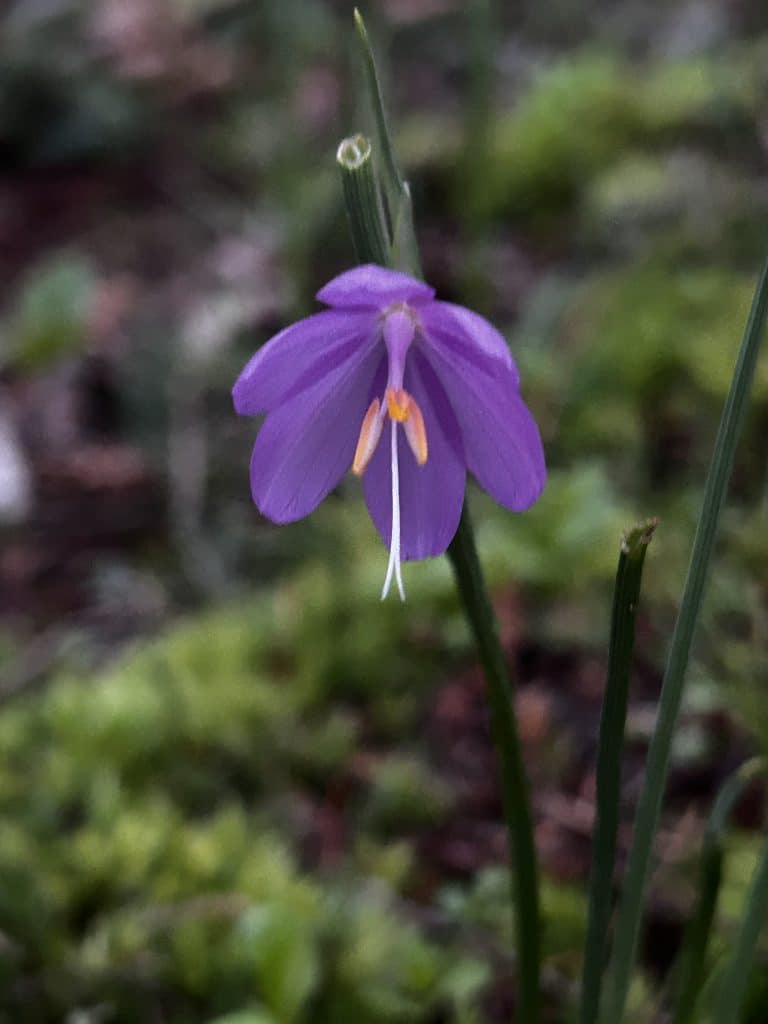
Harvest brodiaea, Brodiaea coronaria. I actually spotted this at Highview Park in North Saanich. Blooms June-July.
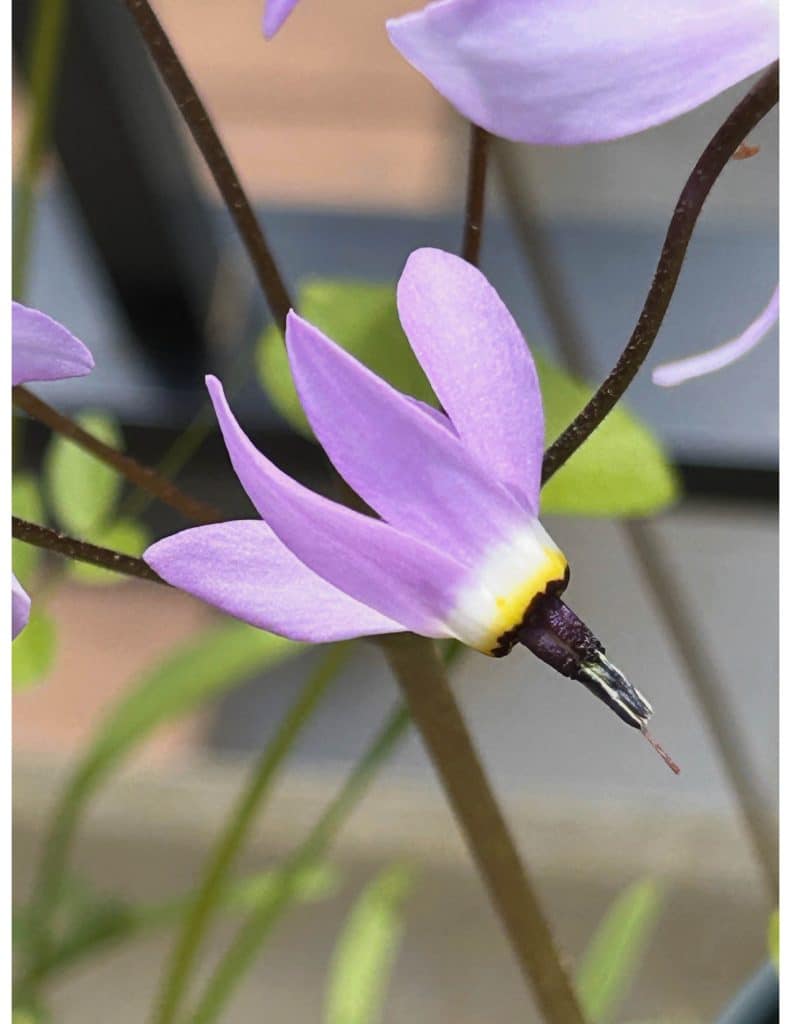
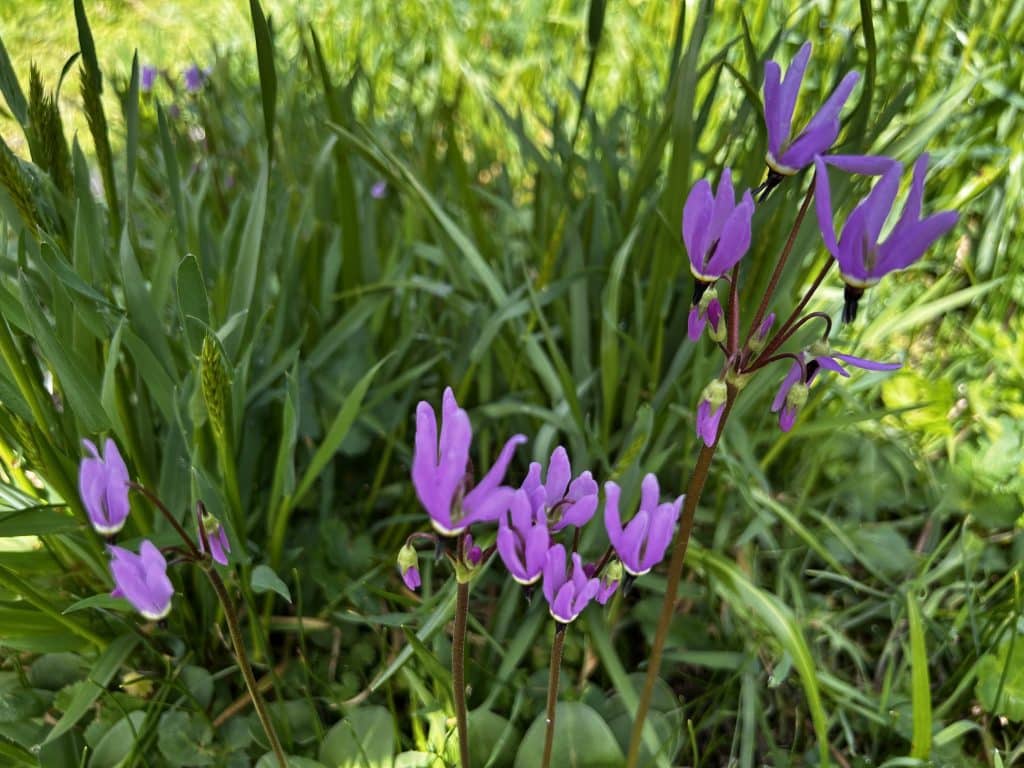
Broad-leaved shooting star, Primula hendersonii. Horth Hill. Blooms April-May.
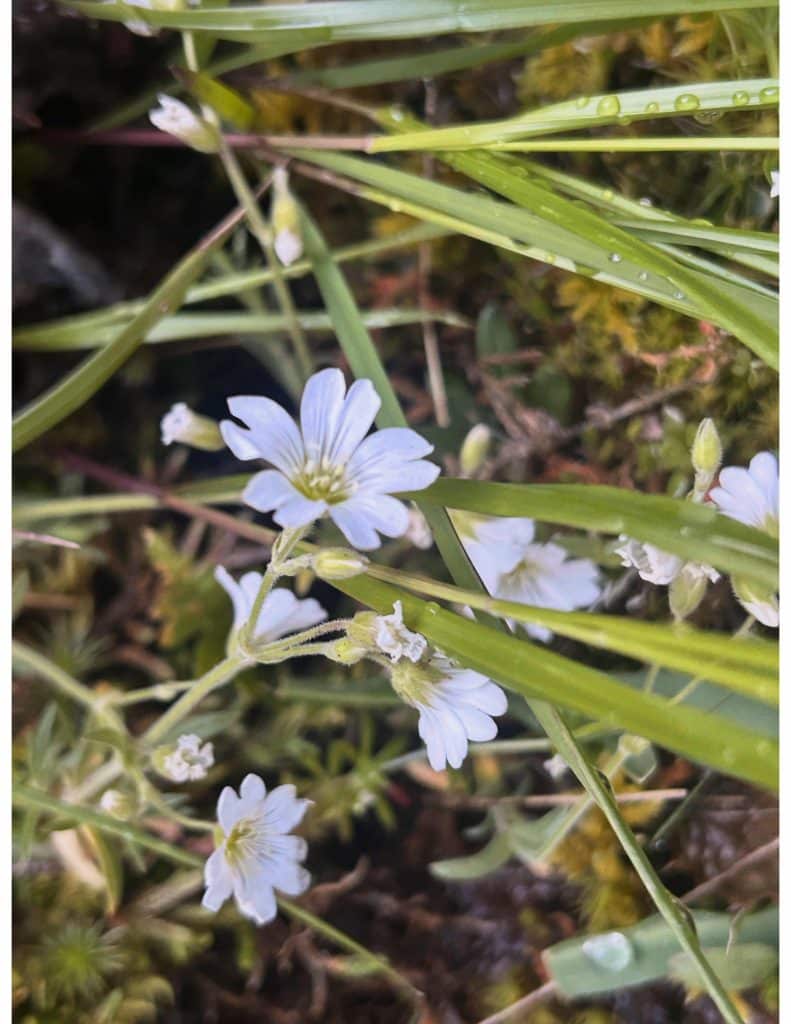
Field chickweed. Cerastium arvense. Horth Hill. Blooms May.
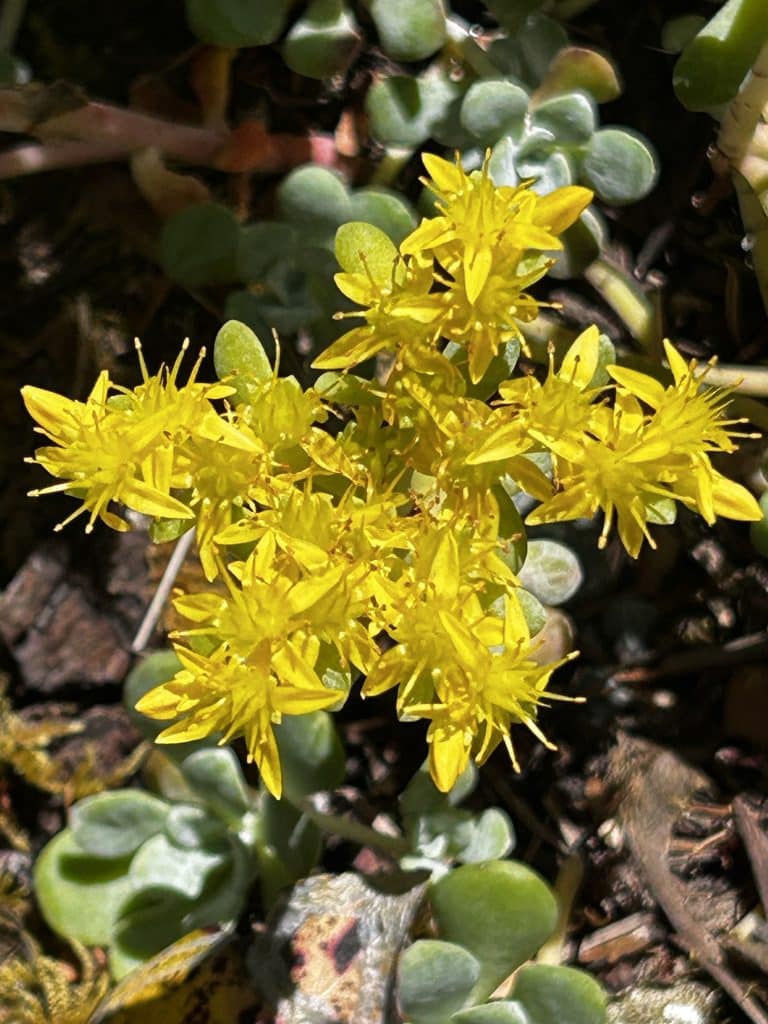
Broad-leaved stonecrop. Sedum spathulifolium. Horth Hill. Blooms June-July.
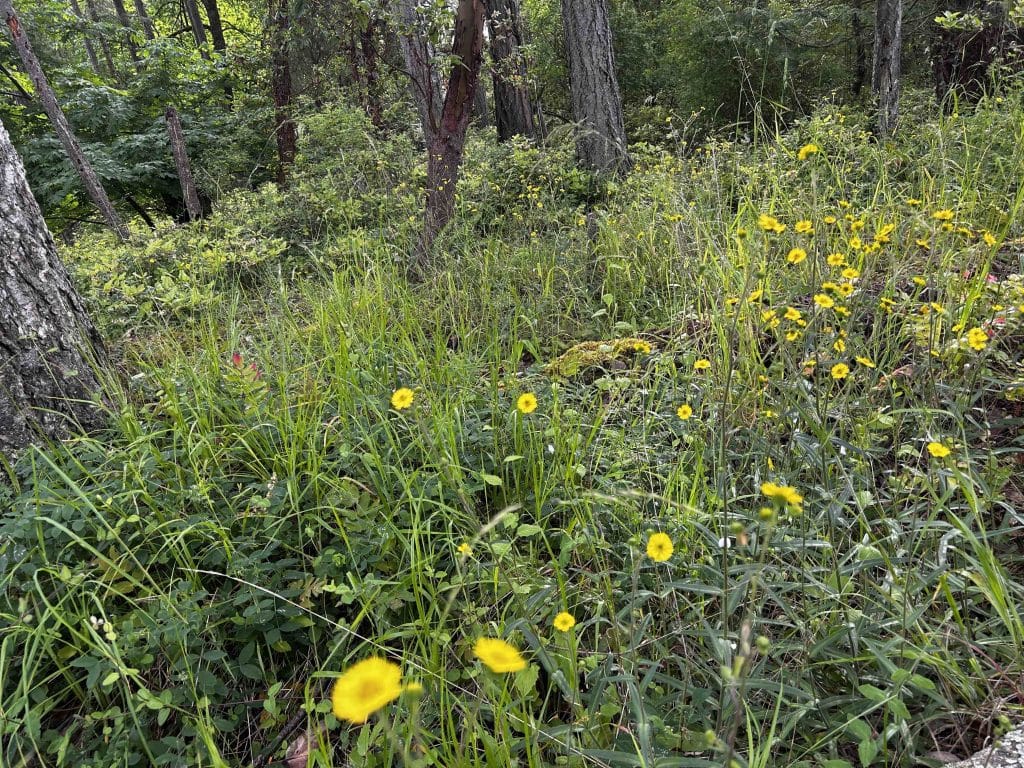
Madia (or tarweed, as it smells like terpenes). Madia gracilis. I actually spotted this near Moses Point. Blooms June.
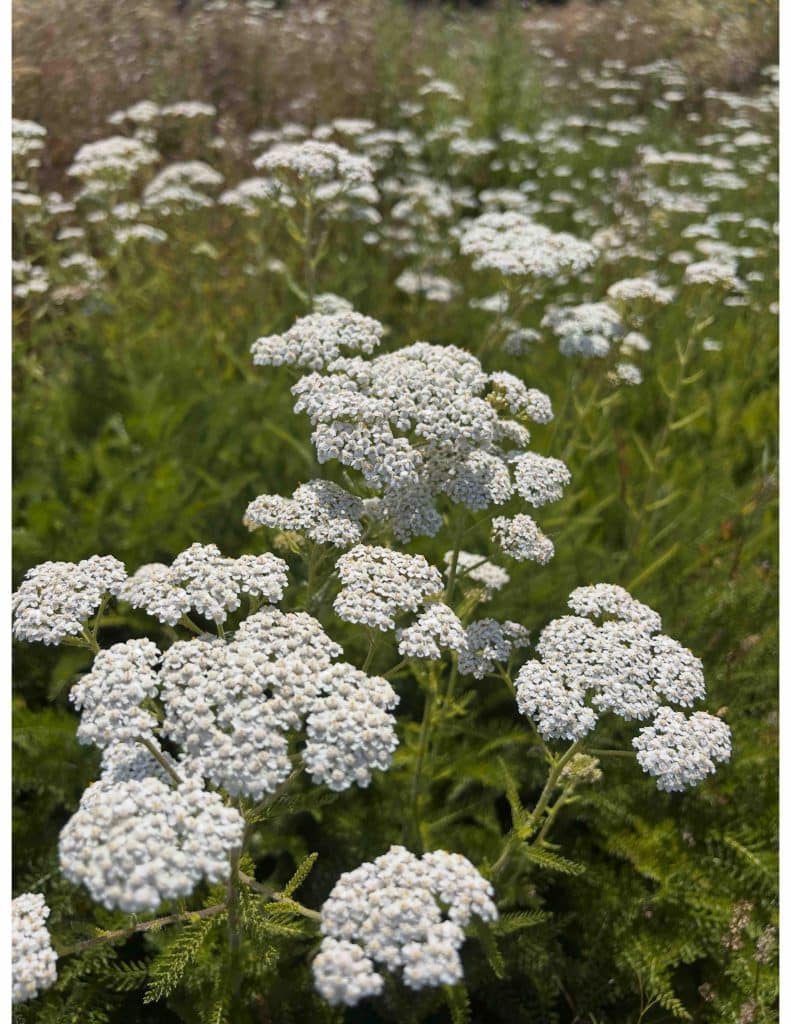
Yarrow. Achillea millefolium. ṮELIḰEȽP in SENĆOŦEN. YYJ Pollinator Garden. Blooms June-September.
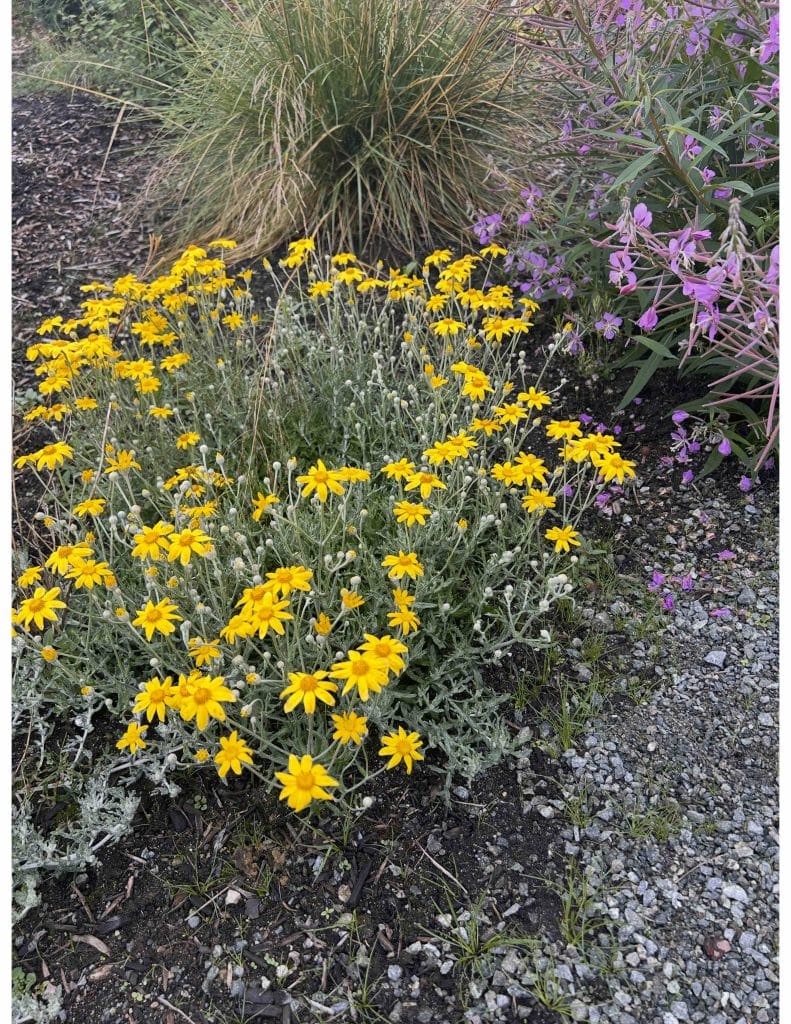
Woolly sunflowers. Eriophyllum lanatum. YYJ Pollinator Garden. Blooms June – winter.
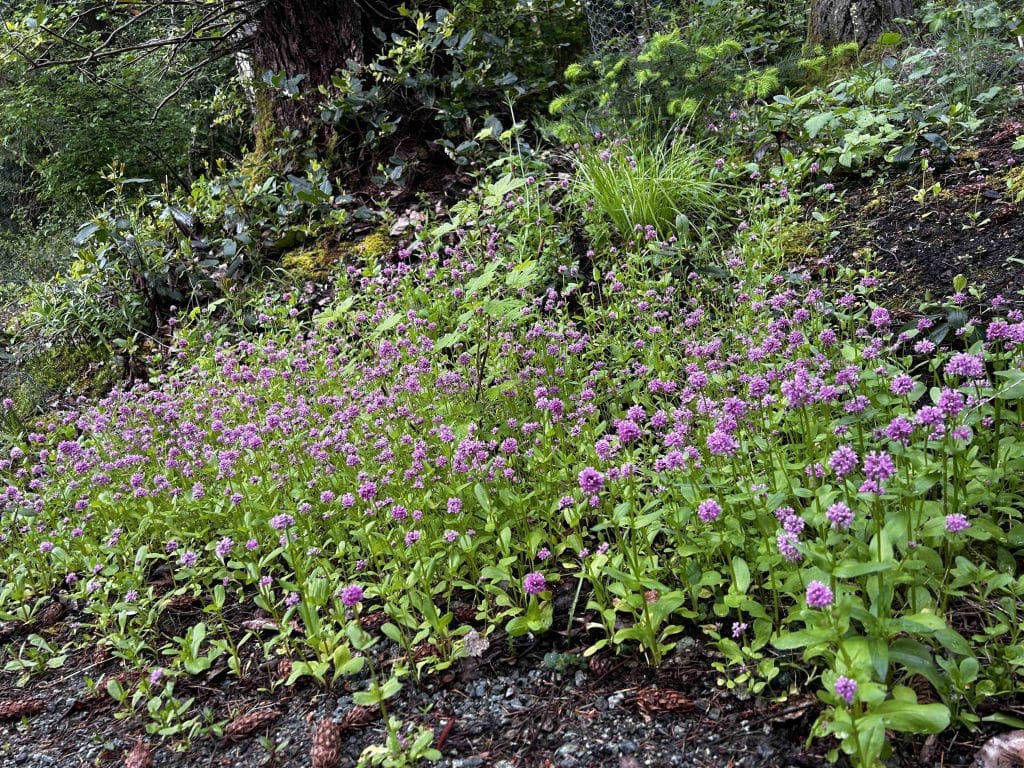
Sea blush. Plectritis congesta. Horth Hill. Blooms April-June.
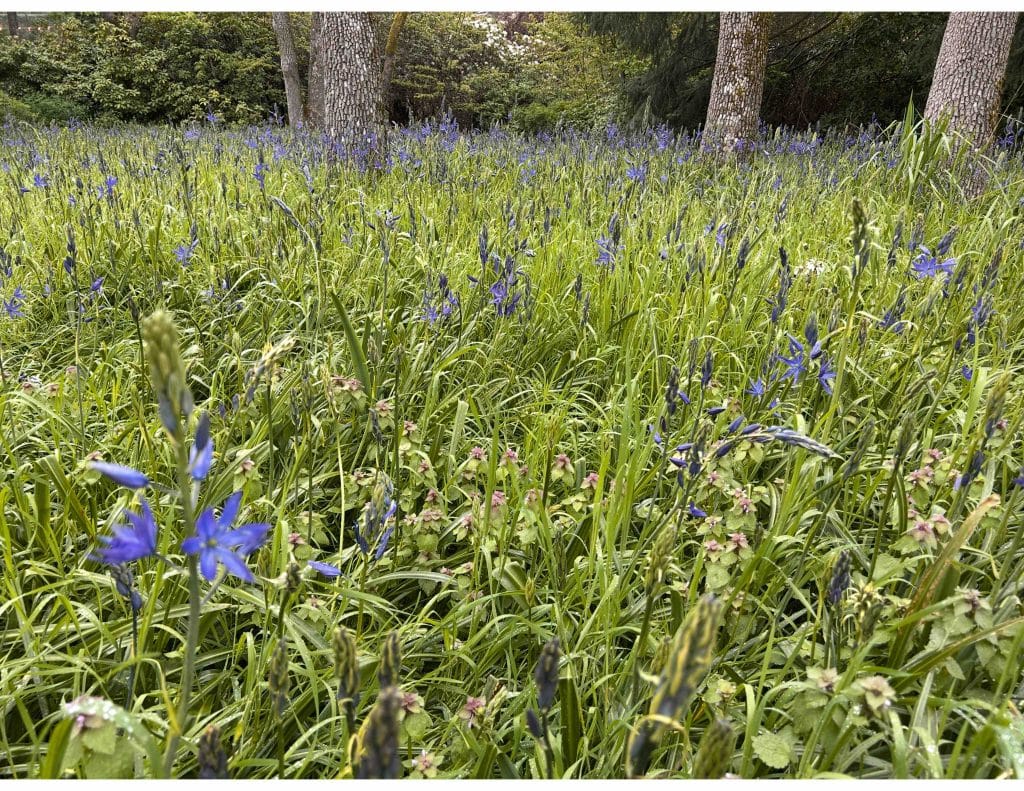
Camas lily (common camas), Camassia quamash spp. maxima, ḰȽO¸EL in SENĆOŦEN. Gulf View Park. Blooms April-May.